
Cocoon Coffee Pot
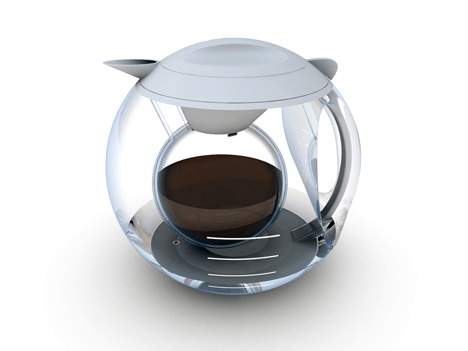
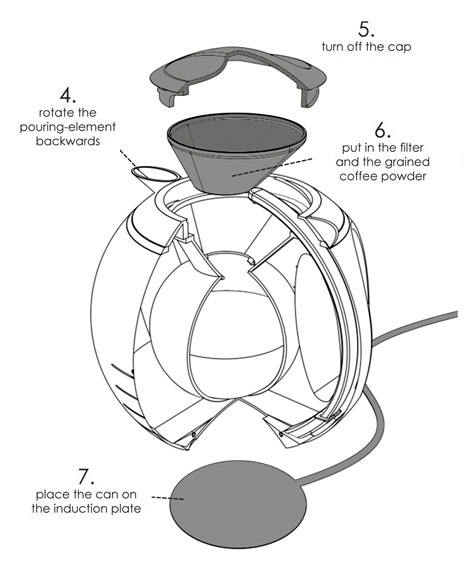
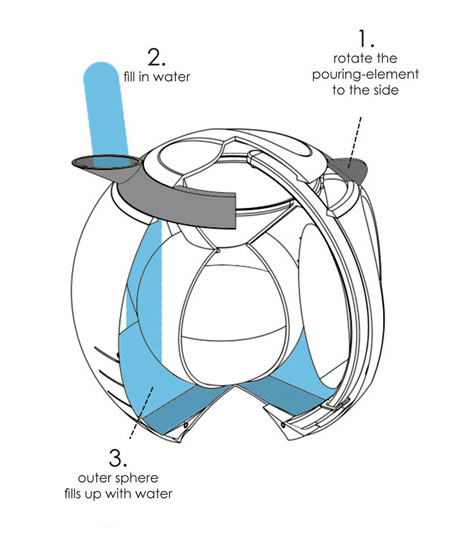
Designer Jan König went a long way to ensure that your coffee will be heated perfectly even and stay warm longer. The dual sphere design not only looks really cool but serves to distribute heat perfectly as your coffee brews. When it’s done the outer bowl acts as an insulator for delicious coffee center. We have to imagine that the Cocoon Coffee maker is the only coffee maker ever designed that would be genuinely interesting to watch.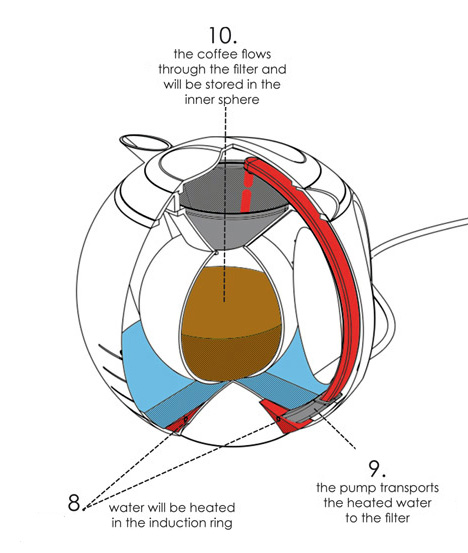
Vitamix Blender
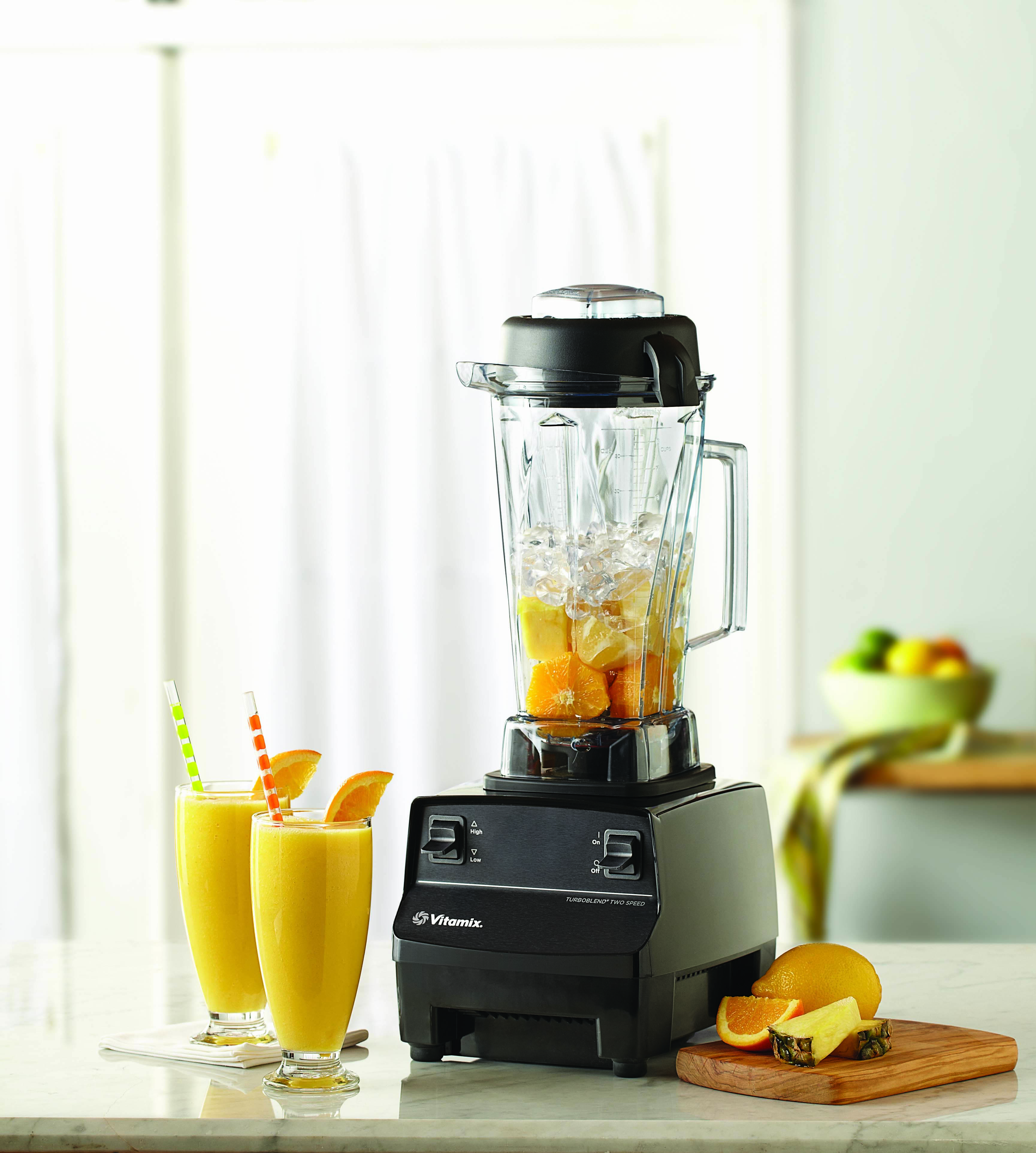
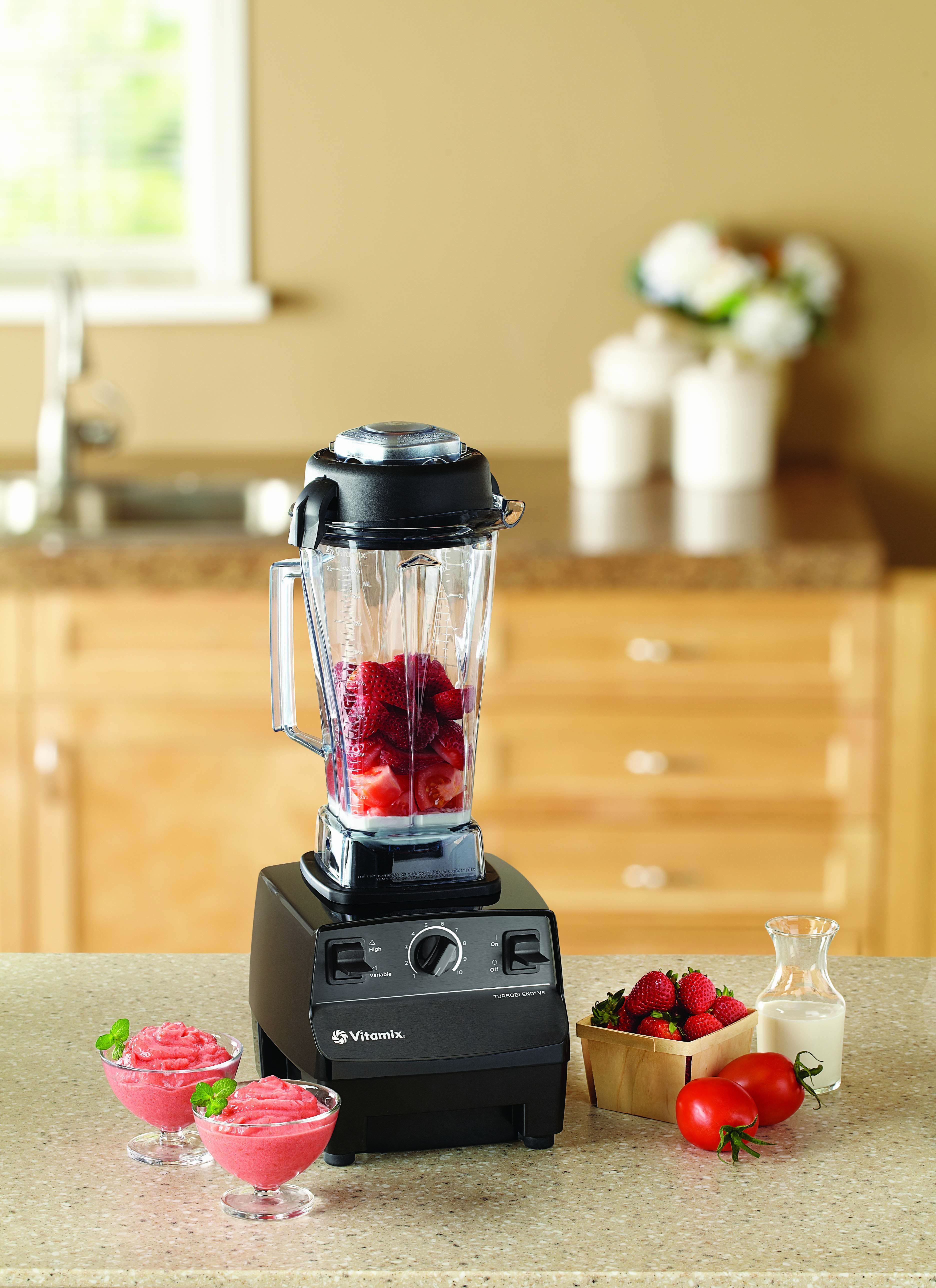
In the early 1920s, the founder of Vitamix, W.G. Barnard was a self-taught salesman of “modern” home products. In 1937, he introduced an all-new product—the blender—to his line. This was the very first Vitamix machine.
When television made its debut in 1949, his son Bill immediately recognized this new medium as the perfect way for W.G. (“Papa”) to demonstrate the new and improved Vitamix machine to hundreds of homemakers at the same time. He booked a 30-minute time slot on WEWS-TV in Cleveland and created the first-ever direct response commercial. This commercial, which ran for several years in many markets, made the blender a household word. A copy of this early infomercial holds a special place in the Direct Marketing Association archives.
Today, Vitamix has been in business nearly 90 years and continues to grow. Much has changed, but much has remained the same. New products are introduced nearly every year, but every Vitamix product, both commercial and household, is still built at the world headquarters in Cleveland, Ohio. Vitamix is still family-owned and operated, and the company is still firmly focused on the importance of quality and customer service.
In 2009, Jodi (Barnard) Berg became president of Vitamix and John Barnard assumed the role of Executive Chairman and CEO. Under Jodi and John’s guidance, Vitamix will continue to give customers and industry partners the highest quality equipment, while remaining true to traditional Vitamix values and heritage. Vitamix will remain true to its mission: to be the best blending equipment company in the world.

Sempli Cupa Wine Glass
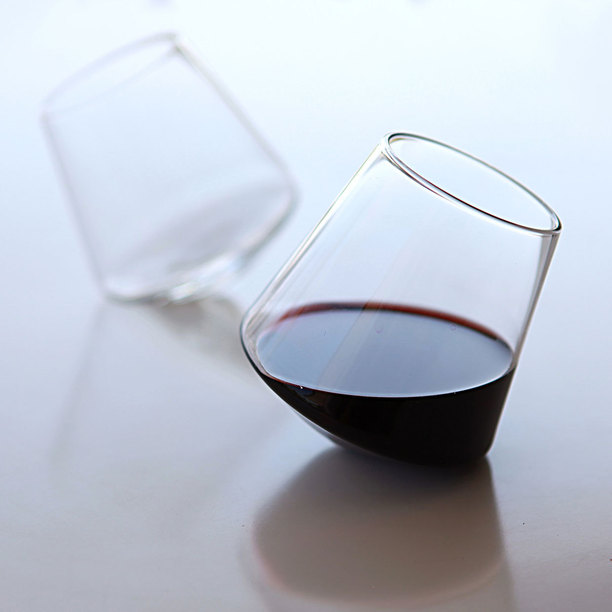
The idea for the Cupa-glass series was born in a small wine-bar in Firenze, Italy in 2002. Its designer, Daniele Semeraro, also the owner of Sempli, was born in Västerås, Sweden. It was after moving to Firenze that he discovered the joy of wine and the essential role the wine glass played in the drinking experience. He saw that the glass’s stem was superfluous from both an aesthetic and a technical point of view. Designing without adding became his philosophy and the result was the Cupa glass series.Staying true to the Italian tradition, the glasses are hand produced by the most knowledgeable glass blowers. The swirling rotation of the glass when posed on a table is both amusing and practical; enjoy your brandy in this glass, and smell the aromas as they dissolve into their surroundings. Or let your wine oxygenate in the glass in a perfect manner. Cupa glass series is produced out of the purest glass containing no lead or lead oxide, making it a 100% sustainable experience. Enhance the sensory experience of enjoying a glass of your favorite wine. This glass also lends itself perfectly for a refreshing cocktail like a mojito or a singapore sling!  KitchenAid Mixer KitchenAid Mixer
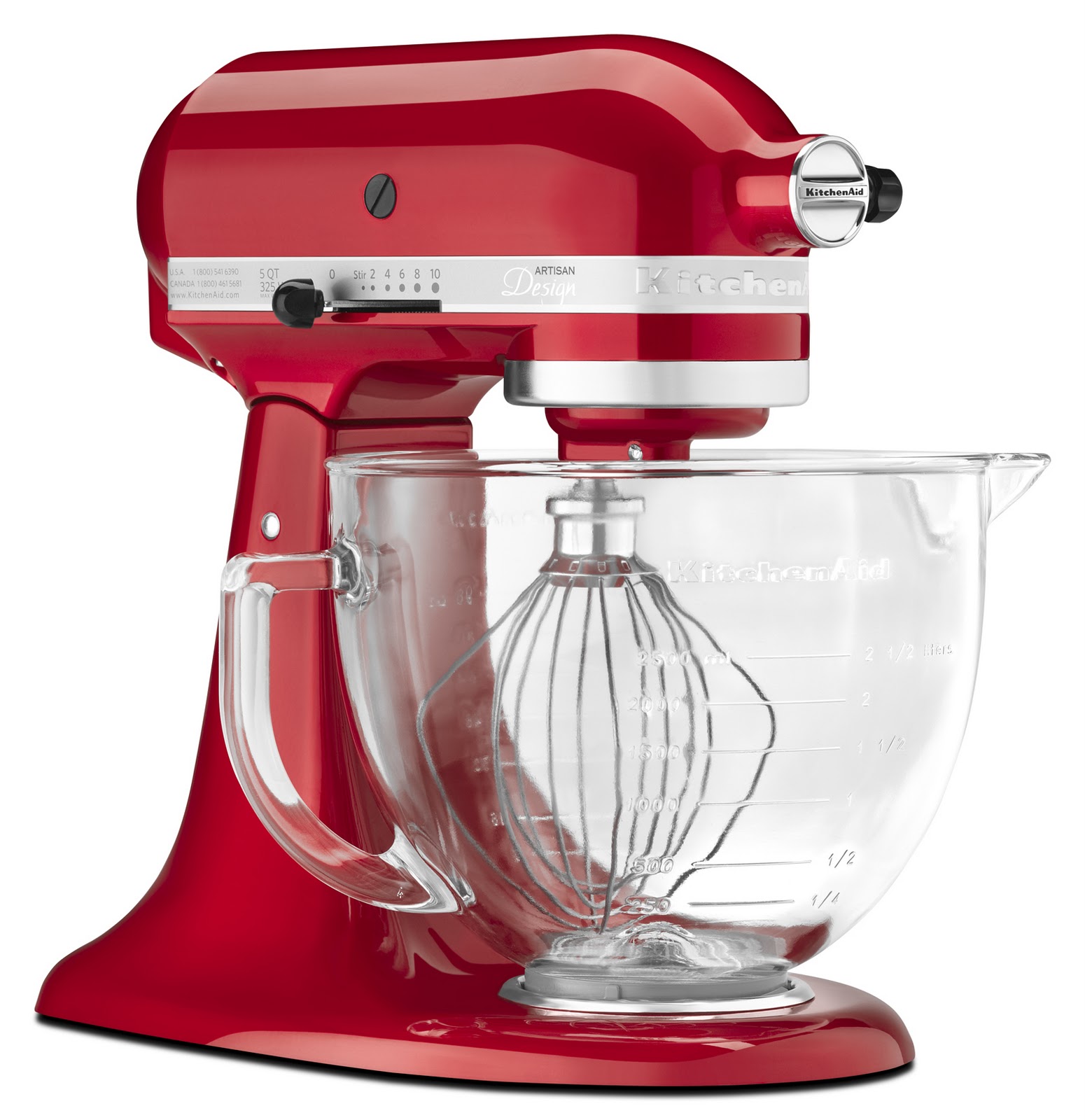
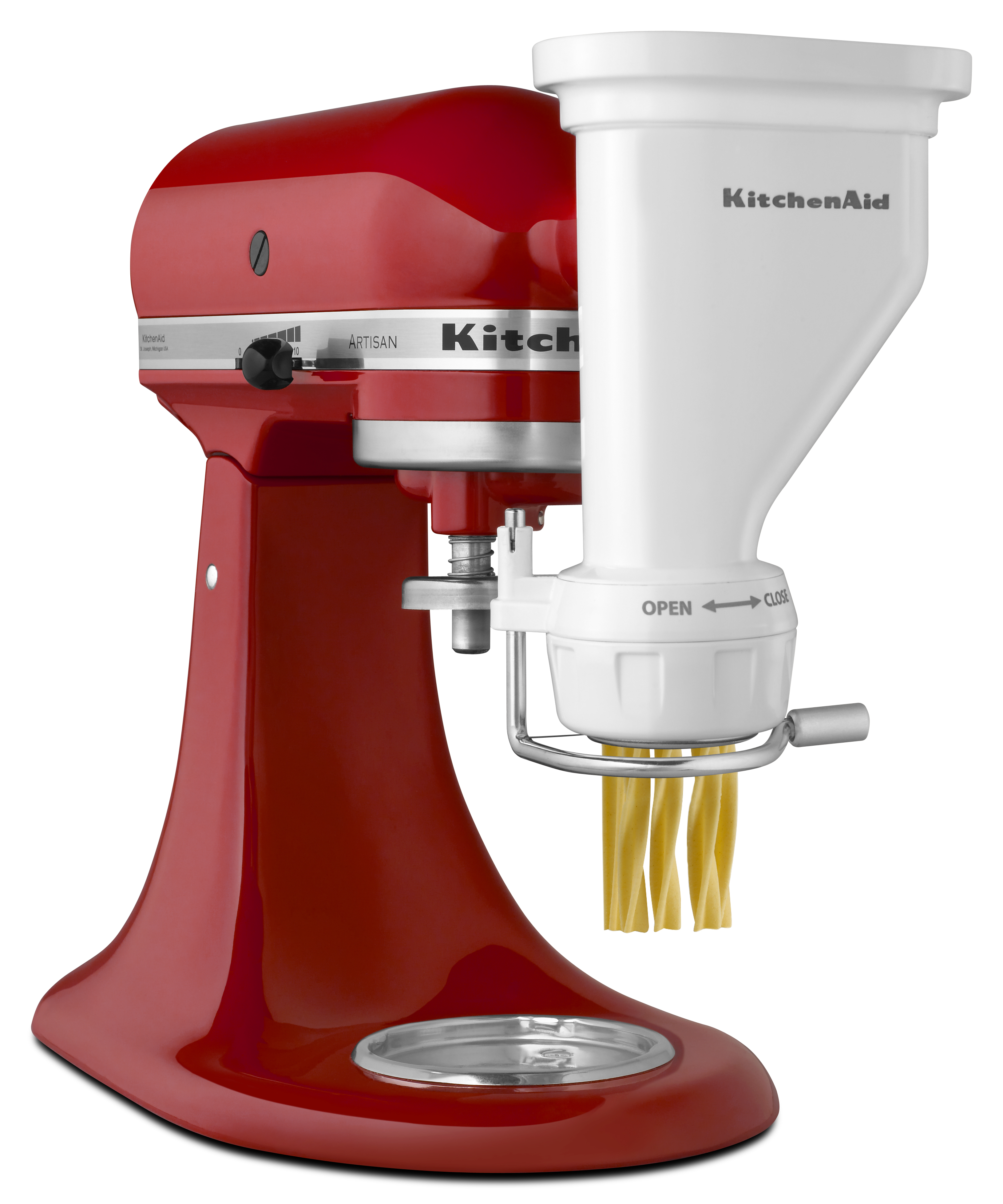
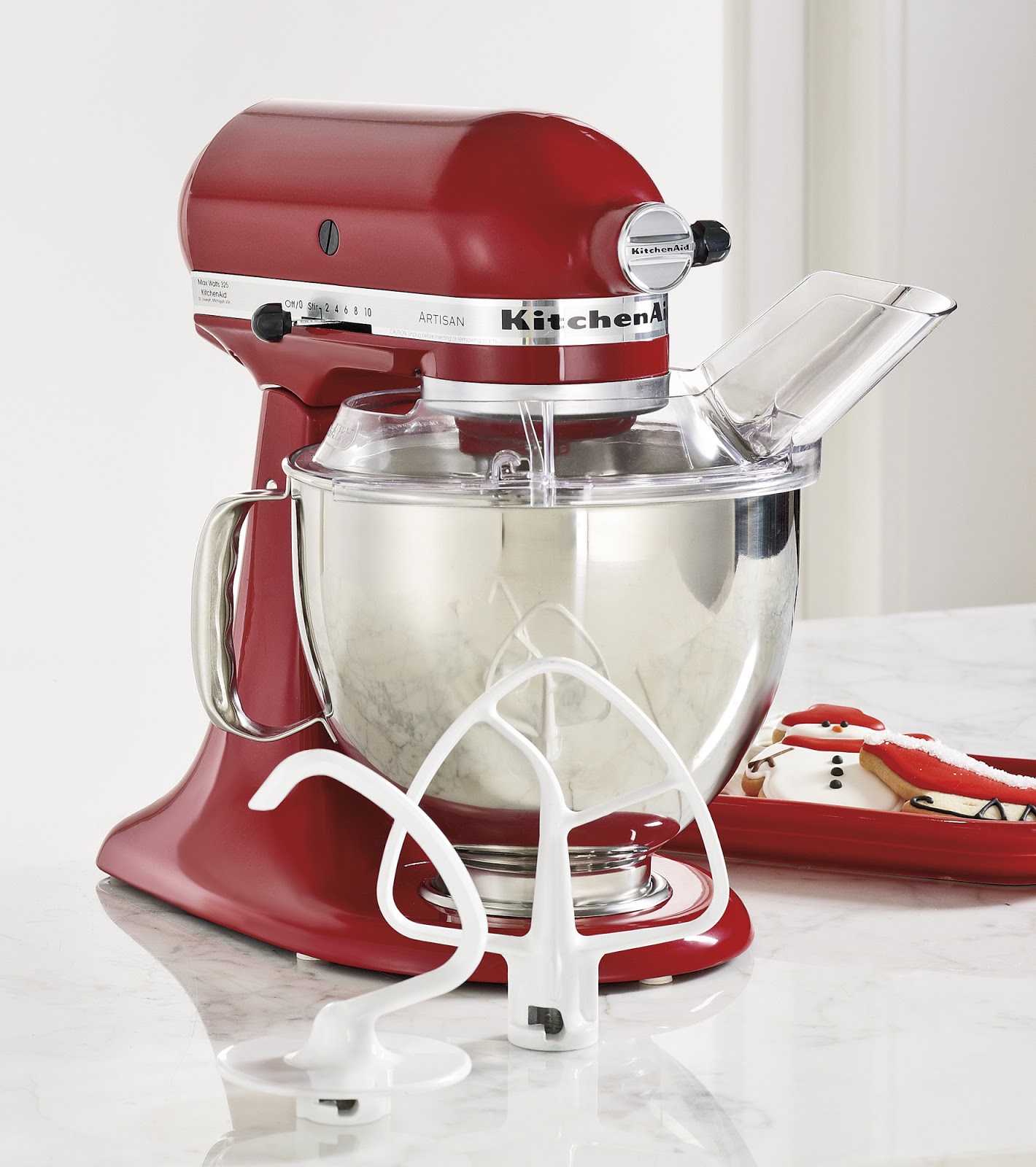
KitchenAid’s Artisan stand mixer is a substantial piece of equipment: 325 watts of mixing power make child’s play of creaming butter, kneading dough, and whipping cream. The kid in you will appreciate how quick and easy it is to mix up a batch of cookie dough. This model comes with three attachments: a flat beater for making batter, meat loaf, and all textures in-between; a wire whip for egg whites, mayonnaise, and more air-infused creations; and a hook for mixing and kneading yeast doughs. All three are solidly constructed and easily secured to the beater shaft with a simple twist. This model also includes a pouring shield for guiding ingredients to their proper destination, and the bowl itself locks tight to the base. Standing about 15 inches high, jutting out a foot, and weighing more than a grown woman’s bowling ball, this stand mixer isn’t the sort of appliance you’ll wipe down and put away. Better to find a square foot of free counter space for easy access; besides, this machine is as pretty as it is rugged–you’ll want to show it off. The 5-quart polished stainless steel bowl with ergonomic handle is big enough to handle large batches of heavy mixtures. Its ergonomically designed handle is contoured to fit the hand and makes lifting the bowl more comfortable. The beater spins clockwise as the shaft spins counter clockwise; moving the beater to 67 different points around the bowl. This unique mixing action creates a thorough blend of ingredients and eliminates the need to rotate the bowl. 10 speeds allow the user to select the right speed for the mixing job; from very high to very slow stir. It’s easy to select the precise speed needed for a perfect mix. The flat beater, dough hook, and the professional wire whip add to the versatility of the mixer. The flat beater is the ideal accessory for mixing normal to heavy batters. From cake mixes to firm cookie dough, the flat beater mixes quickly and thoroughly. The dough hook mixes and kneads yeast dough, saving both time and the effort of hand-kneading. The wire whip incorporates the maximum amount of air in whipped mixtures for fluffier whipped cream and angel food cakes. All attachments are solidly constructed, and attach easily to the stand mixer. The pouring shield fits around the top of the bowl and prevents ingredient splash-out. The chute makes it convenient and easy to add ingredients. The tilt-back mixer head allows for easy access to bowl and beaters. A lock lever holds the mixer head securely in place and the bowl fastens tightly to the base. KitchenAid mixers have become a staple in today’s modern kitchen. With its outstanding build quality, unrivaled power and tried-and-true reliability, it is a kitchen must have. This kitchen mixer is packed with a plethora of features including a 5-quart bowl capacity, planetary mixing action, 27 color options and much more.
Chemex
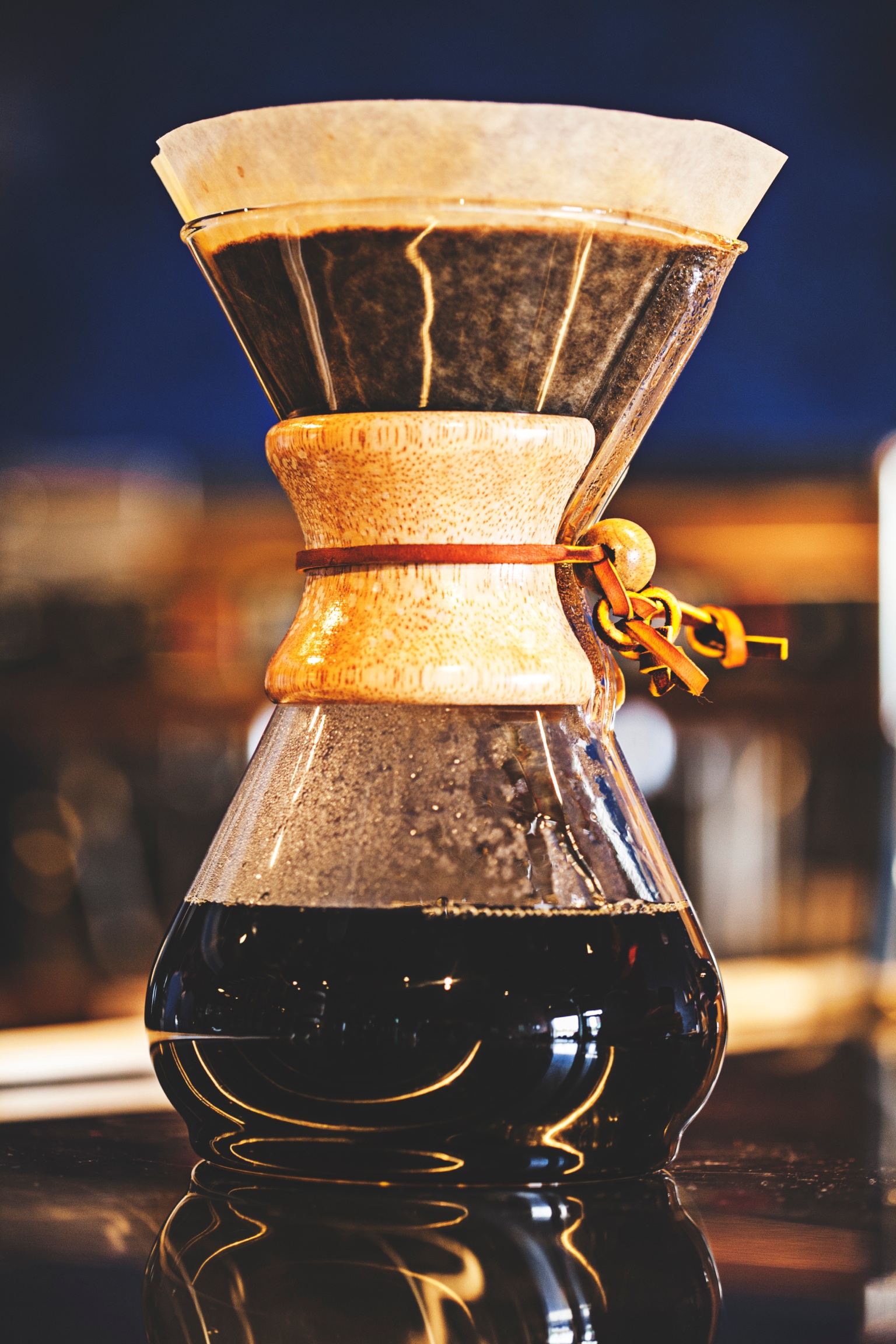
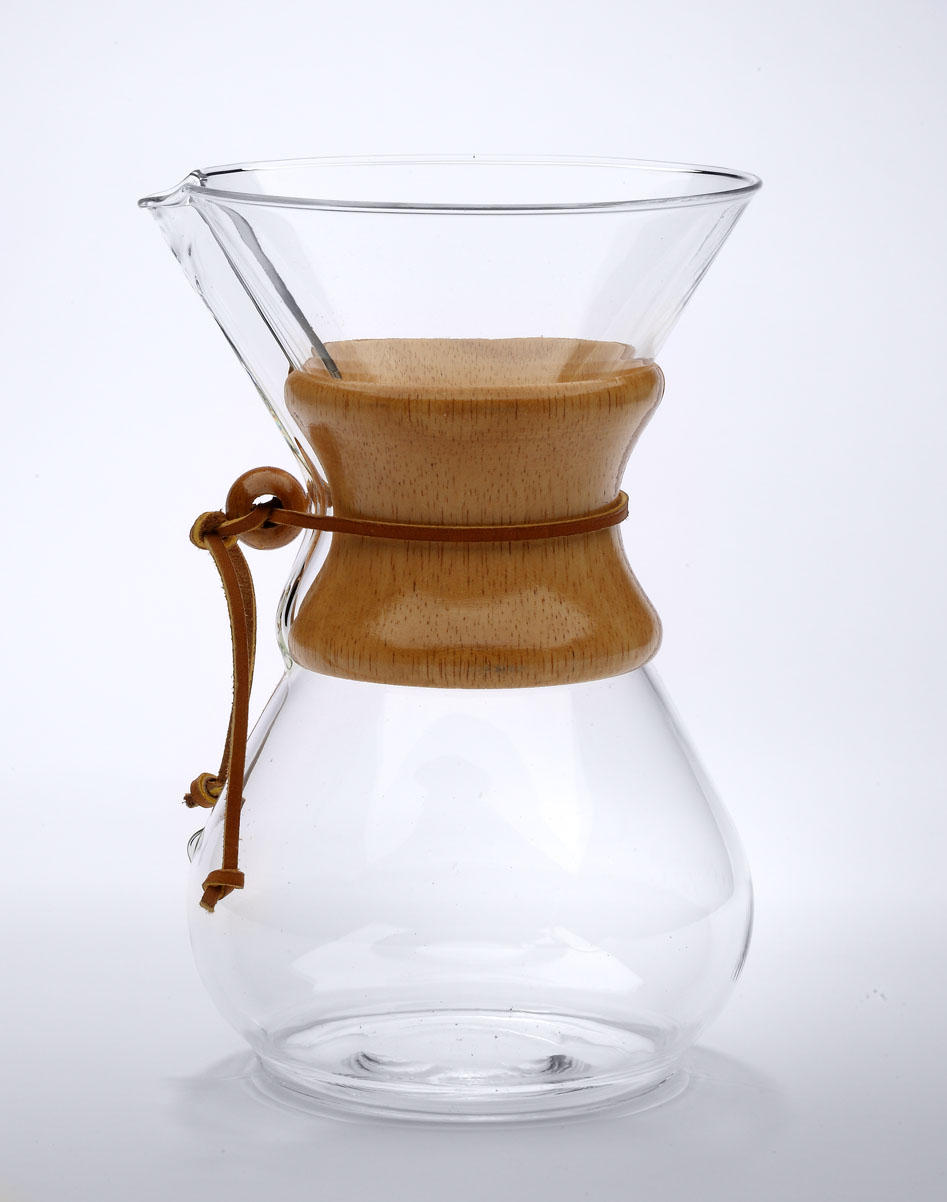
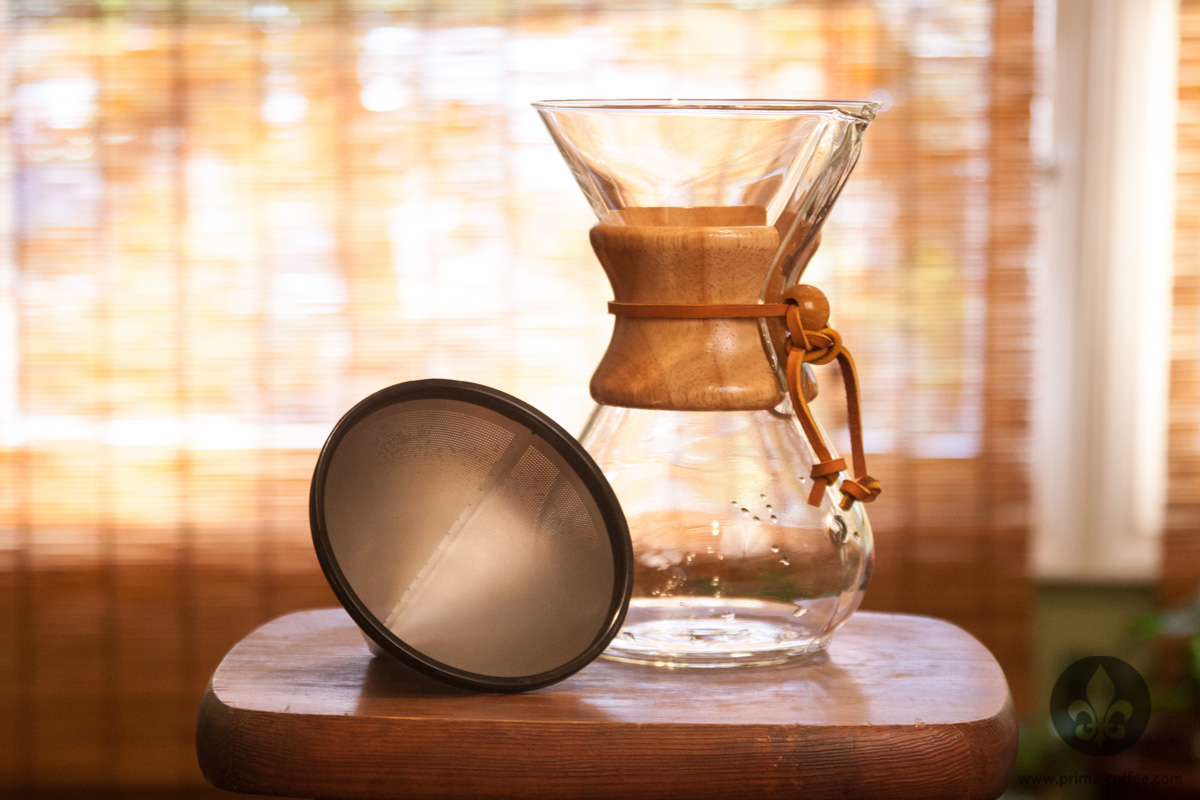
Chemex makes these wonderful hourglass shaped glass coffee makers that are not only beautifully designed but eco-conscious. Simply insert a filter in the top, add ground coffee and pour your hot water and let it drip. You’ll be amazed of the quality of the coffee and just how nice it is to not smell a plastic machine in your kitchen. Space is always an issue in New York City and Chemex offers a wide range of sizes that all fit back into your cabinet easily and cleaning them is a breeze.The Chemex combines a pour over filter cone with a beautiful glass decanter. The defining feature of this method is an ultra thick paper filter set flush against the walls. We generally recommend a medium or medium-coarse grind setting. Begin by thoroughly rinsing the filter. This eliminates papery taste and preheats the server. After dumping this water, add ground coffee and even the bed. Use hot water to evenly wet all of the coffee (using about 10% of the total water volume) and start a timer. After 30-45 seconds pour the rest of the water in a slow and controlled motion. Aim to finish pouring around the 3:00 mark, with the last drop falling somewhere close to 4:00. Toss the filter and grounds, give the Chemex a few swirls, and serve. Because the thick paper filter sits flush against the walls of the server, water flows through the grounds more slowly and the dwell time is longer than other pour over methods. This is helpful, as brewing a tasty cup is less dependent on the skill of the user and more on precise and well-chosen parameters. The Chemex highlights the “higher” and “brighter” notes in coffee and yields a clean, sweet cup.
Cake Cutter and Server
|
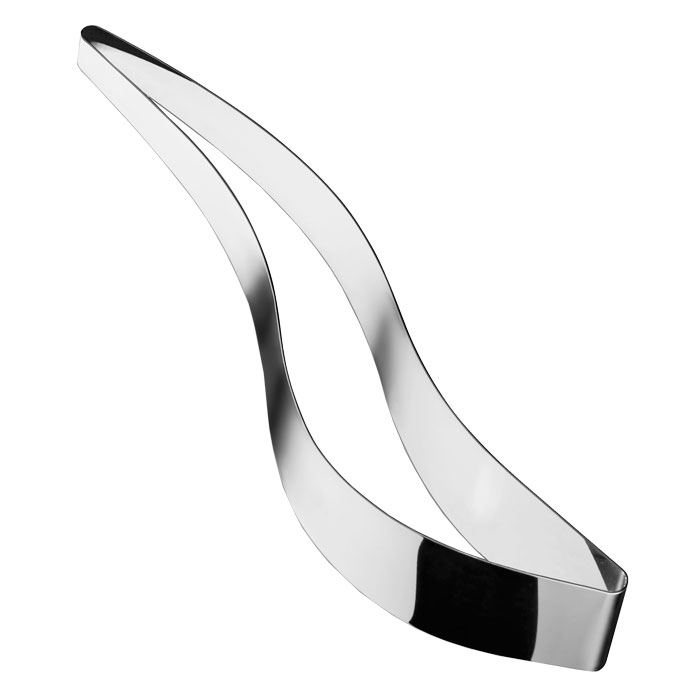
Cut and serve cake in one simple step. The Magisso deservedly took the RedDot Design Award for 2010 because it works as good as it looks. While sitting and drawing on Lake Näsijärvi’s rocks one sunny day, Scandinavian designer Maria Kivijärvi realized that for all the excitement these days over developments in kitchen and tableware design, that great tool of celebrations remained as old fashioned as ever. So Maria reinvented the wheel, er, cake server. Use it on just about any cake. A fantastic gift for the host with the most or a wedding. Dare we say, it’s one tool that makes serving a “piece of cake.”
The Magisso Cake Serverr won a Red Dot Award in 2010 for their amazing, amazing, amazing design– here’s a kitchen utensil that has two very specific functions that fit seamlessly into one another. The cake server acts as a knife that cuts out entire slices of cake at a time; you simply cut the cake in the size you prefer, give the tongs a light squeeze to grip the sides, and then you can lift out a perfect slice to put on your plate.
The server comes in simple stainless steel or four colors: Pure Black, Fresh Lime, Deep Purple and Snow White. From the Magisso website:
“Magisso Cake Server is a perfect centerpiece for every party, wedding and graduation setting. The beautifully designed and functional Cake Server is an ideal gift with the space for inscriptions and engravings. The Magisso Cake Server is made of mirrored high quality stainless steel and it is suitable for every kind of cake. The Magisso Cake Server is designed in Finland by Maria Kivijärvi.”

Bobble Water Bottle
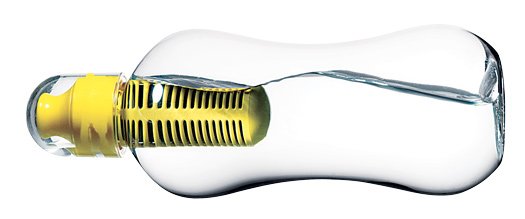
Approximately 38 billion plastic water bottles end up in landfills each year. By using bobble, which is made from recycled materials, we can all do our part to eliminate unnecessary waste. Bobble helps fix the problem by using recycled material to make new bobbles. Bottled water is also a costly addiction. Americans currently spend over $15 billion a year on bottled water. One bobble filter equals at least 300 water bottles.
Bobble water bottle is a portable, reusable water bottle that filters water as it passes through it. It was launched in the United States in February 2010 by Move Collective LLC and is now available internationally.
Bobble is a sleek alternative to single-serve plastic water bottles, which harm the earth (and your wallet). bobble is a stylish, reusable bottle that filters water as you drink, using a replaceable carbon filter. Every filter equates to 300 single-serve bottles. After a year, you’ve removed thousands of bottles from the environment, simply by filtering the water from your tap. bobble is free of BPA, Phthalates and PVC.
Bobble has an activated carbon filter which has a slight electro-positive charge, making it attractive to chemicals and impurities. As the water passes over the positively charged carbon surface, the negative ions of the contaminants are drawn to the surface of the carbon granules.
Carbon filters require very little maintenance and are perhaps the most powerful chemical absorbents known to man. bobble’s carbon-based filter removes organic contaminants from regular municipal tap water and meets or exceeds NSF International Standard 42 for chlorine, taste and odor reduction.
For best results, change your bobble water filter after 2 months or 40 gallons. Filter for use with bobble water bottle only.
Bobble was created by Move Collective, LLC and was designed by the industrial designer Karim Rashid. It contains a carbon filter that removes chlorine and contaminants from municipal drinking water.
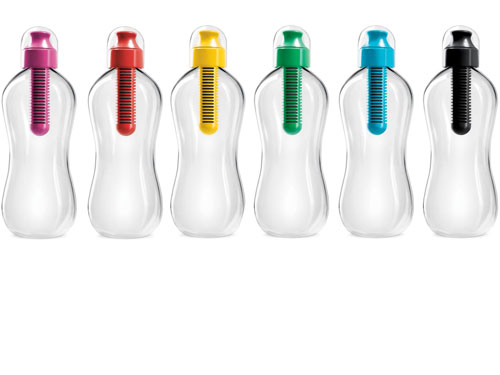
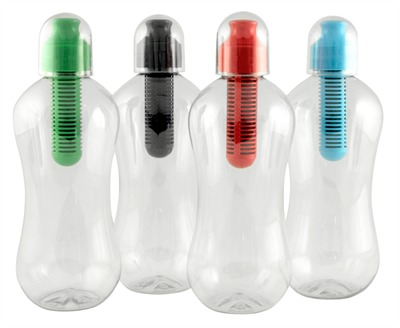
Bobble is made from recyclable materials and is free of BPA, Phthalates and PVC. Available in multiple sizes: 13oz, 18.5oz and 34oz. Each size accommodates the same replaceable carbon filter, that fits only on bobble bottles. When introduced, the filters came in six solid color options: red, yellow, green, blue, black and magenta. As of September, 2011, two additional solid filter colors are being offered—lavender and navy—as well as four multi-colored filter options. In March 2012, orange and white solid color filters were added to the lineup, with new colors to be introduced every Spring.
Bodum Bistro French Press

This handy two in one machine will heat up water and pour it into your French press for a one stop brew shop in the comfort of your own kitchen. No need for separate kettles and no waiting until the water is heated and extra time to pour. All you need to do is fill the water tank, add coarsely ground coffee into the glass carafe of the French press and hit the on button. Brews 4 cups of coffee, equivalent to 17 ounces.
No filters needed, the coffee will start brewing the moment the water starts dripping into the carafe. With a shorter brew time, about 5 minutes, you’ll be sipping on your favorite brew in no time. The electric press also doubles as an electric kettle heating water up to 185 degress.
How it Works
- First, you fill the water tank with fresh, cold water.
- Add ground coffee into the glass carafe and press the button. No filter needed.
- When all the hot water is in the glass carafe, you press down the plunger and your coffee is ready to be poured.
- The heating element will also keep your coffee nice and warm.


Spork
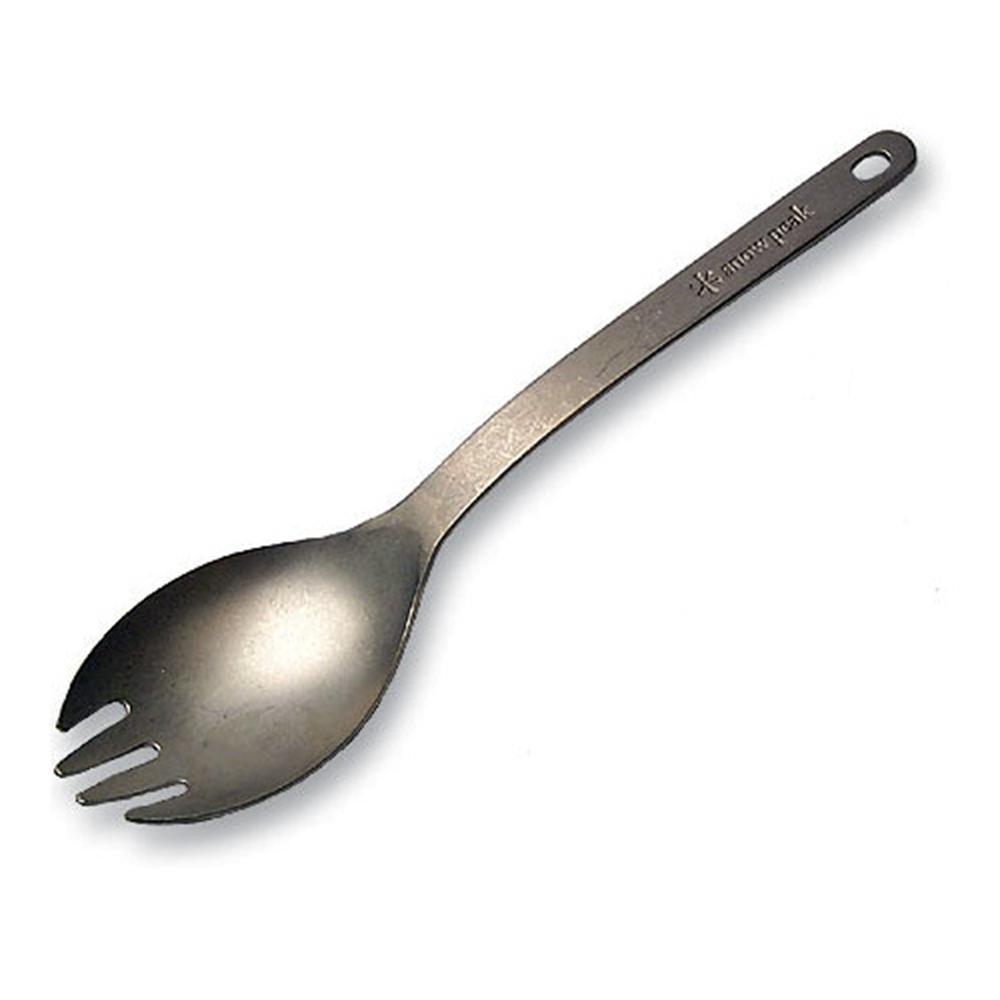
A spork is a hybrid form of cutlery taking the form of a spoon-like shallow scoop with three or four fork tines. Spork-like utensils,have been manufactured since the late 19th century; patents for spork-like designs date back to at least 1874, and the word “spork” was registered as a trademark in the US and the UK decades later. They are used by fast food restaurants, schools, prisons, the military, and backpackers.
A combined spoon, fork, and knife closely resembling the modern spork was invented by Samuel W. Francis and issued US Patent 147,119 in February 1874.
The word spork originated in the early 20th century to describe such devices. According to a December 20, 1952 New York Times article, Hyde W. Ballard of Westtown, Pennsylvania filed an application to register “Spork” as a trademark for a combination spoon and fork made of stainless steel, although there is no longer any record of this application at the United States Patent and Trademark Office. The Van Brode Milling Company subsequently registered SPORK for a combination plastic spoon, fork and knife at the USPTO on October 27, 1970, but abandoned the registration several years later. The word Spork accompanied by a stylised design is registered in the US in relation to hand tools.
Materials such as stainless steel, silver, aluminum, titanium, and polycarbonate plastic have been used in spork manufacture. Plastic sporks are common in prisons in the United States because they are difficult to form into weapons. Prepackaged meals may come with a disposable plastic spork. Sporks are also frequently used by backpackers and other outdoors enthusiast as they are a light weight and space saving alternative to carrying both a fork and spoon.


 Well Designed Objects